
Brisbane Businesses Save Money with Diesel Generators: The Essential Australian Guide

Running a shop or warehouse in Brisbane means coping with scorching summers, sudden storms and occasional grid dips. And the surest way to keep the lights on? Using Diesel generators. This guide walks you through sizing, compliance, installation, maintenance and financing so you’re protecting your bottom line without breaking the rule.
Why diesel generators make sense for Brisbane businesses
From the Brisbane River floodplain right through Fortitude Valley’s busy streets, power cuts are a real pain. And diesel generators give you the nonstop juice a rooftop solar panel can’t match, especially when you need three‑phase power for heavy‑duty big machines.
Fast start‑up: most units hit full load in under ten seconds.
Need power far out? Diesel’s stocked at almost any station, even in remote suburbs like Chermside.
Built to last, rugged designs shrug off the subtropical heat and humidity.
And because diesel engines have a long‑standing track record in Queensland’s mining and construction sectors, you can trust them to run 24 hours a day when the grid goes down.
Sizing and selecting the right unit
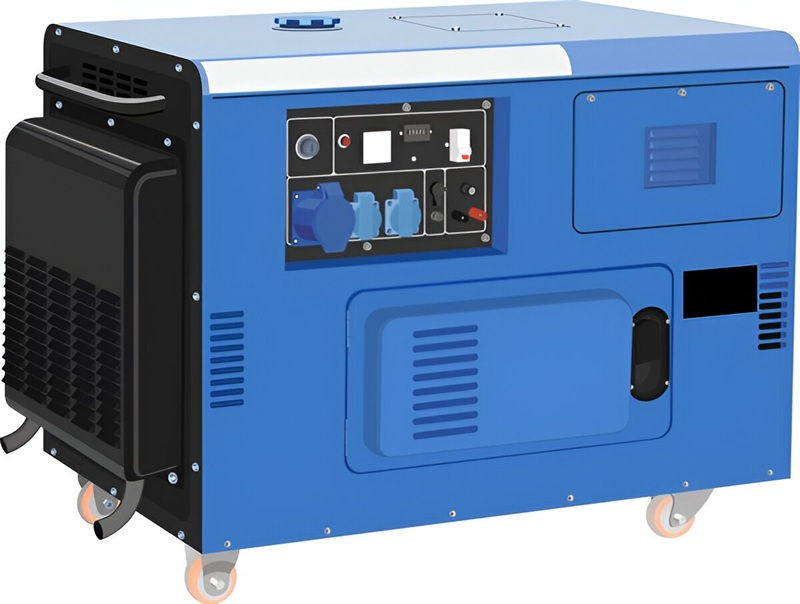
What typically happens is that businesses oversize their units, paying for unused capacity. The right size depends on your peak load, start‑up surges and the critical circuits you must keep alive.
Calculate total wattage of essential equipment.
Add 20–30 % for motor start‑up spikes.
Choose a generator that can handle the combined load continuously.
In my experience, a 30 kW diesel generator in the Brisbane Central Business District can comfortably run a small data centre, a coffee shop espresso machine and emergency lighting.
Portable versus stationary options
Portable diesel generators power trade sites in To Brisbane and pop‑up gigs at South Bank, but they need a flat, stable base and a sound enclosure to stay under council noise limits. And stationary units? They lock into a container with acoustic panels, keeping sound under 65 dB(A) in residential zones. So, make sure the ground’s level, otherwise unit shakes and event suffers.
Meeting Australian standards and local regulations
The Australian Standard, the Wiring Rules, dictates how you connect a generator to your building’s switchboard. You must use an Automatic Transfer Switch (ATS) that isolates the generator from the grid before it starts feeding power back.
Noise limits: 70 dB(A) for commercial premises, 65 dB(A) for mixed‑use.
Emissions: Euro VI compliant diesel engines are now mandatory for new installations in Queensland.
Ventilation: Outdoor enclosures need a minimum 1 m setback from windows and doors.
And the local council in Brisbane City requires a permit for any permanent generator enclosure that exceeds 3 m³ in volume. The paperwork is straightforward if you've a qualified electrician on board.
Installation checklist for Brisbane sites
Here’s a step‑by‑step list that keeps you on the right side of the law and secures safe operation.
Get approval from Brisbane City Council.
Hire a licensed electrician to design the earthing system, making sure it passes all safety checks.
Install a fuel tank with secondary containment so spills can’t happen.
If the units under 10 m of a home, add a sound‑attenuating enclosure.
Finally, connect an ATS that complies with ‑2.7, got it?
And after the hardware is in place, run a full load test during the cooler evening hours to verify voltage stability and noise levels.
Hybrid diesel‑battery solutions
And if you’re looking to trim fuel, hook up diesel generators to a battery bank and you could slash up to 30 % of diesel use when the suns at its peak. When low‑load periods hit, the system flips to the battery and only cranks the diesel engine when demand jumps.
Maintenance, service and reliability
What typically happens is that owners neglect routine checks, and then the generator fails when you need it most. A solid maintenance plan includes monthly visual inspections, quarterly oil changes and annual load‑bank testing.
Check fuel filters for water and debris, Brisbane’s humid climate can cause condensation.
Inspect the exhaust system for rust, especially in coastal suburbs like Redland Bay.
Test the battery starter voltage before the rainy season.
And keep a spare fuel filter on hand; a clogged filter is the most common cause of a no‑start during an outage.
Common troubleshooting steps
If the generator won’t start, follow this quick checklist:
And make sure the tanks full and the diesel’s cetane is at least 50.
But keep an eye on the oil pressure gauge; low pressure will shut the unit off.
So, if it’s a cold‑start model, give the glow plugs a quick look.
Hear any weird clank? That could mean a bearing’s seized.
Financing, supply and long‑term ownership

Most Brisbane businesses don’t buy a generator outright; they opt for a lease‑to‑own plan that spreads the cost over three to five years. Financing options often include service contracts that cover preventive maintenance and emergency repairs.
Look for suppliers that offer a “fuel‑price lock‑in” for the first two years.
Check that the warranty covers at least 2 years of continuous operation.
Ask about a trade‑in program if you upgrade to a newer Euro VI model.
And when you compare offers, factor in the total cost of ownership: fuel consumption (roughly 0.25 L per kWh for a modern 30 kW unit), depreciation and insurance premiums.
Choosing a reputable Brisbane supplier
And Euro Diesel’s local dealers are spread from West End right through to North Lakes, offering on‑site testing, spare‑part stock and a 24‑hour emergency line. Want to stay compliant? A dealer who knows Australian diesel generator rules will keep you running smooth.
Environmental impact and future trends
While diesel generators do emit CO₂, newer Euro VI engines cut particulate matter by up to 90 % compared with older models. Pairing a generator with a solar array can further reduce the carbon footprint.
And you can join Queensland’s Clean Energy Council carbon‑offset program.
Smart IoT sensors track fuel use live, so you spot spikes and fix them before they break anything.
So many newer units now let you start or stop them from a phone app, great for off‑site storage.
And if you’re considering biodiesel, the Queensland government permits up to B20 blends, but you must check the manufacturer’s warranty to avoid voiding it.
Conclusion
Diesel generators remain a cornerstone of business continuity in Brisbane, offering reliable power, compliance with Australian standards and flexible financing options. Get the size right, tick the install checklist, keep up with service and watch emission limits. That’s how you shield your workflow and curb expenses. And why not pair the unit with solar or wind when you can? You’ll end up with a tough power set‑up that handles Brisbane’s weather and rules.


Comments