
Complete Guide to Rosacea Treatments

Ever caught a glimpse of yourself in the mirror and wondered why your cheeks look so flushed? Do you find yourself constantly battling redness that just won't budge, no matter what skincare products you try? Perhaps you've noticed tiny visible blood vessels creeping across your nose and cheeks, leaving you feeling self-conscious about your appearance?
If any of this sounds familiar, you might be dealing with rosacea—a chronic skin condition that affects millions of Australians. The good news? You're not alone, and there are plenty of effective treatment options available. Rosacea can feel frustrating and isolating but understanding what you're dealing with is the first step towards taking control of your skin health.
In this guide, we'll walk you through everything you need to know about rosacea treatment ashwood. From understanding what triggers those annoying flare-ups to exploring professional treatments like laser therapy, we've got you covered. You'll also discover practical skincare tips, natural remedies that actually work, and advice on when it's time to see a dermatologist. Whether you're newly diagnosed or have been managing rosacea for years, this guide will help you navigate your options and find what works best for your skin.

What Is Rosacea? Signs, Symptoms, and Types
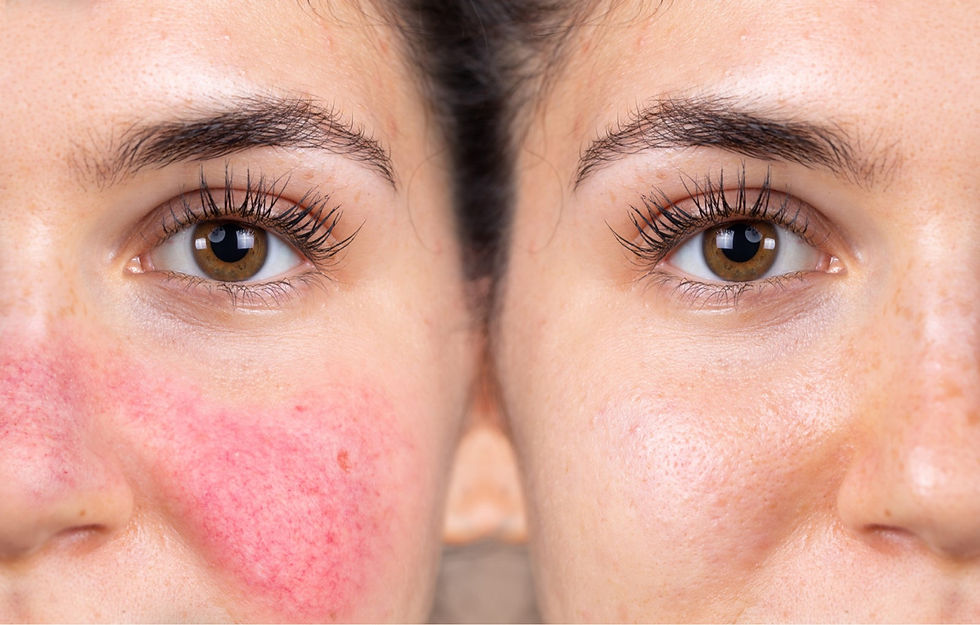
Rosacea is a common inflammatory skin condition that primarily affects the face. It typically appears as persistent redness across the central face, particularly the cheeks, nose, forehead, and chin. Many people also experience small, pus-filled bumps, visible blood vessels, and skin sensitivity.
The Four Main Types of Rosacea
Understanding which type you have helps determine the most effective treatment approach. Erythematotelangiectatic rosacea causes flushing, persistent redness, and visible blood vessels. Papulopustular rosacea involves acne-like breakouts alongside redness. Phymatids rosacea leads to skin thickening, most commonly on the nose. Ocular rosacea affects the eyes, causing irritation, dryness, and swollen eyelids.
How Do I Know If I Have Rosacea or Just Sensitive Skin?
This is a question many people ask, and it's completely valid. Sensitive skin typically reacts to products or environmental factors temporarily, then settles down. rosacea treatment ashwood, on the other hand, involves persistent symptoms that tend to worsen over time without proper management. If your redness sticks around for weeks, appears in the central face area, and comes with other symptoms like bumps or visible vessels, it's worth getting a professional opinion.
What Triggers Rosacea Flare-Ups?
Common triggers include sun exposure, hot or cold weather, spicy foods, alcohol, stress, and certain skincare products. Keeping a diary of your flare-ups can help identify your personal triggers—knowledge that's absolutely key for long-term management.
What Is the Best Treatment for Rosacea?
Finding the right treatment depends on your specific symptoms and rosacea type. What works brilliantly for one person might not suit another, so patience and persistence are important.
Topical Treatments for Rosacea
Topical medications are often the first line of defence. Metronidazole gel or cream reduces inflammation and bacteria. Azelaic acid helps with bumps and redness. Ivermectin cream targets Demodex mites, which may play a role in rosacea. Brimonidine gel temporarily constricts blood vessels, reducing redness for hours at a time.
These treatments require consistent use over several weeks before you'll notice significant improvement. Your GP or dermatologist can prescribe the most suitable option based on your symptoms.
Oral Medications and Antibiotics
For moderate to severe cases, oral medications may be recommended. Low-dose antibiotics like doxycycline work anti-inflammatory wonders without contributing to antibiotic resistance. In stubborn cases, isotretinoin might be considered, though it requires careful monitoring due to potential side effects.
Can Rosacea Be Cured Permanently?
Here's the honest truth: rosacea cannot be cured completely. However, with the right treatment plan and lifestyle adjustments, symptoms can be controlled effectively. Many people achieve long periods of remission where their skin looks and feels great. Think of it as management rather than cure—and that's achievable.
Professional Rosacea Treatments
When topical and oral treatments aren't delivering the results you want, professional procedures can make a real difference.
Laser Treatment for Rosacea: How It Works
Laser therapy targets visible blood vessels and persistent redness. The light energy heats and destroys damaged vessels without harming surrounding skin. Most people need multiple sessions spaced weeks apart. Results can be impressive, with many patients seeing significant reduction in redness and vessel visibility.
IPL (Intense Pulsed Light) Therapy
IPL uses broad-spectrum light to target blood vessels and reduce redness. It's particularly effective for diffuse redness and flushing. Sessions are generally quick, though you might experience some redness and swelling immediately afterwards. Multiple treatments deliver the best outcomes.
Natural and Home Remedies for Rosacea
Alongside medical treatments, natural approaches can support your skin health beautifully.
What Is the Fastest Way to Calm Rosacea?
When a flare-up strikes, cool compresses provide quick relief. Green tea-soaked cloths have anti-inflammatory properties that help soothe irritated skin. Aloe vera gel offers cooling comfort, while oatmeal-based products can reduce itching and inflammation. Staying in a cool environment and avoiding triggers during flare-ups also helps symptoms settle faster.
Skincare Ingredients to Embrace and Avoid
Embrace gentle, calming ingredients like niacinamide, hyaluronic acid, and ceramides. These strengthen the skin barrier without causing irritation. Steer clear of alcohol-based products, fragrances, menthol, eucalyptus, and harsh exfoliants. These can aggravate sensitive rosacea-prone skin significantly.
Lifestyle Changes That Make a Real Difference
Small changes add up. Wearing broad-spectrum SPF 30+ daily protects against sun-triggered flare-ups. Managing stress through exercise, meditation, or hobbies helps reduce stress-related symptoms. Eating an anti-inflammatory diet rich in omega-3 fatty acids supports overall skin health. Plus, staying hydrated keeps your skin functioning at its best.
Building a Rosacea-Friendly Skincare Routine
A thoughtful skincare routine can transform your rosacea management.
Best Products for Rosacea-Prone Skin
Look for products labelled "fragrance-free," "hypoallergenic," and "suitable for sensitive skin." Gentle cleansers without soap, lightweight moisturisers, and mineral-based sunscreens are your best friends. Australian brands like La Roche-Posay, Cetaphil, and QV offer excellent options specifically designed for reactive skin.
How Should I Wash My Face If I Have Rosacea?
Gentle is the golden rule here. Use lukewarm water—never hot—and apply cleanser with your fingertips rather than rough cloths or brushes. Pat dry with a soft towel instead of rubbing. Cleanse just once or twice daily to avoid stripping your skin's natural protective barrier.
When to See a Dermatologist for Rosacea
While GPs can manage mild rosacea effectively, there are times when specialist input becomes valuable.
What Happens If Rosacea Is Left Untreated?
Without treatment, rosacea typically worsens over time. Persistent redness becomes more pronounced, and visible blood vessels multiply. In some cases, skin thickening develops, particularly around the nose. Ocular rosacea can lead to serious eye complications if ignored. Early intervention prevents progression and makes management much easier.
Finding the Right Specialist in Australia
Dermatologists specialise in skin conditions and can access the full range of treatment options. Ask your GP for a referral or search the Australasian College of Dermatologists website for practitioners in your area. Medicare rebates apply to specialist consultations with a valid referral, making expert care more accessible.
Taking Control of Your Rosacea Journey
Living with rosacea presents genuine challenges, but effective management is absolutely within your reach. From understanding your triggers to finding the right combination of treatments, you now have the knowledge to make informed decisions about your skin health. Whether you opt for topical treatments, explore laser therapy, or focus on lifestyle modifications, every positive step counts.
The most important thing to remember is that you're not stuck with uncontrolled rosacea forever. With patience, the right professional support, and a gentle approach to skincare, most people achieve significant improvement in their symptoms. Don't be afraid to advocate for yourself, ask questions, and explore different treatment options until you find what works.
Your rosacea journey is uniquely yours, but you don't have to navigate it alone. Reach out to healthcare professionals, connect with others who understand what you're going through, and be kind to yourself along the way. Here's to calmer, happier skin days ahead!


Comments