
Home Renovations: Smart Upgrades to Boost Home Value
Ever wondered which renovations actually pay off when it's time to sell? Or perhaps you're asking yourself whether that kitchen makeover is worth the investment? Maybe you're simply curious about where to start with your home improvement journey?
You're not alone. Thousands of Australian homeowners grapple with these questions every year, particularly as property values continue to change across the Australian housing market. The truth is, not all renovations are created equal. Some improvements can significantly boost your property's value, while others might leave you out of pocket with little return. Understanding the difference is crucial before you pick up that hammer or call a contractor.
In this guide, we'll explore the smartest home upgrades that genuinely add value to your property. You'll discover which rooms deserve your attention, how much you can expect to spend, and whether renovating before selling makes financial sense. Plus, we'll cover the improvements that might actually hurt your resale value. Let's get stuck into it.

What Home Improvements Add the Most Value?
Kitchen Renovations: The Heart of Your Home's Value
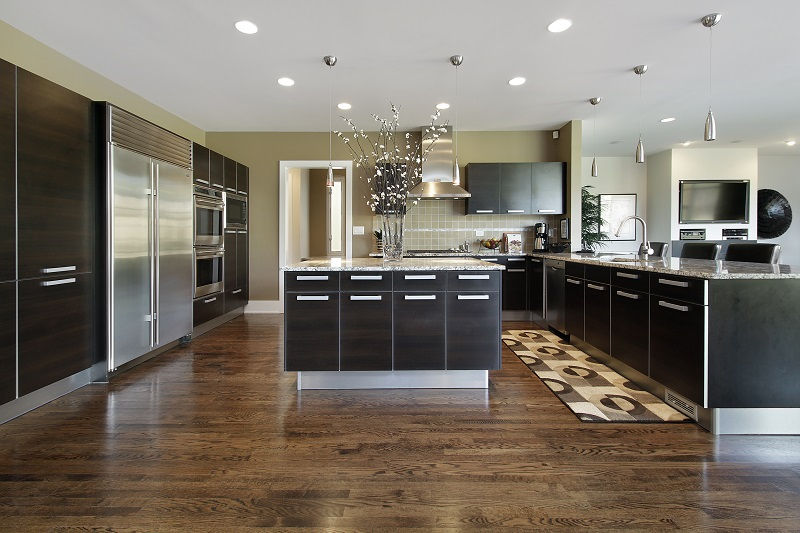
The kitchen remains the undisputed champion of value-adding renovations. It's where families gather, meals are prepared, and memories are made. Buyers know this, and they're willing to pay a premium for a well-designed kitchen.
You don't need to spend a fortune either. Simple updates like replacing cabinet doors, installing new benchtops, or upgrading to modern appliances can transform the space. A mid-range kitchen renovation typically recoups 70-80% of its cost at sale.
Focus on functionality first. Good storage, quality benchtops, and modern appliances matter more than fancy extras. Neutral colour schemes work best—they appeal to the widest range of buyers.
Bathroom Upgrades That Buyers Actually Notice
Bathrooms come a close second to kitchens. A dated bathroom can be a deal-breaker for many buyers, while a fresh, modern one can seal the deal.
Consider replacing old tiles, updating fixtures, and improving lighting. Walk-in showers are increasingly popular, particularly with older buyers planning to age in place. Good ventilation and waterproofing are essential—buyers are wary of moisture damage.
Even smaller changes make a difference. New tapware, a frameless shower screen, or a modern vanity can refresh the space without a complete gut job.
Outdoor Living Spaces and Curb Appeal
First impressions count enormously. Your home's exterior is the first thing buyers see, and it sets their expectations for what's inside.
A well-maintained garden, fresh exterior paint, and an inviting entrance can add thousands to your sale price. Outdoor entertaining areas are particularly valuable in Australia's climate. Decks, patios, and alfresco dining spaces effectively extend your living area.
Don't forget practical elements like fencing, driveways, and garage doors. These might seem boring, but they contribute significantly to overall curb appeal.
How Much Does a Home Renovation Cost in Australia?
Breaking Down Renovation Budgets by Room
Costs vary dramatically depending on your location, the scope of work, and your choice of materials. As a rough guide, a mid-range kitchen renovation might cost $20,000-$40,000, while a complete bathroom overhaul could run $15,000-$35,000.
Bedroom renovations are generally cheaper, often requiring just paint, new flooring, and built-in wardrobes. Living areas might need $5,000-$15,000 for flooring, painting, and lighting upgrades.
Always get multiple quotes and factor in a contingency of 10-20% for unexpected issues.
Hidden Costs You Need to Plan For
Beyond the obvious expenses, several hidden costs can catch homeowners off guard, especially when budget decisions are based solely on the lowest quote:
Council permits and approval fees
Asbestos testing and removal in older homes
Structural engineering reports
Temporary accommodation during major works
Waste removal and skip bin hire
Updated insurance premiums during construction
Cost vs. Value: Which Renovations Offer the Best Return?
Not every dollar spent on renovations translates to increased value. Generally, kitchens and bathrooms offer the best return, typically recouping 60-80% of costs. Street appeal improvements often return 100% or more.
Conversely, highly personalised renovations or luxury upgrades in modest suburbs rarely pay off. The key is matching your renovation level to your neighbourhood's expectations.
Is It Worth Renovating a House Before Selling?
When Renovations Make Financial Sense
Renovating before selling makes sense when your property has obvious deficiencies that buyers will penalise you for. If your kitchen is genuinely awful or your bathroom is falling apart, fixing these issues prevents buyers from using them as negotiating tools.
It also works when you can complete renovations cost-effectively and when the local market rewards updated properties.
When You Should Sell As-Is
Sometimes selling as-is makes better financial sense. If the market is hot and properties are selling quickly regardless of condition, why spend money on updates? Equally, if you're in a high-demand area where developers are buying, they won't value your renovations.
Consider your timeline too. If you need to sell quickly, major renovations simply aren't practical.
Quick Cosmetic Fixes vs. Major Structural Changes
Cosmetic fixes offer the best bang for your buck before selling. Fresh paint, professional cleaning, garden tidy-ups, and minor repairs cost relatively little but can significantly improve buyer perception.
Major structural changes rarely make sense pre-sale. The disruption, cost, and time involved usually outweigh the benefits.
Budget-Friendly Renovations That Make a Big Impact
Paint, Lighting, and Simple Updates
Fresh paint is the single most cost-effective improvement you can make. Stick to neutral colours—warm whites, soft greys, and natural tones appeal to most buyers.
Lighting upgrades are equally impactful. Replace outdated fittings with modern alternatives. Good lighting makes spaces feel larger and more welcoming.
Other quick wins include:
New door handles and cabinet hardware
Updated power points and light switches
Fresh window treatments
Decluttering and styling
Energy-Efficient Upgrades That Attract Buyers
Aussie buyers increasingly value energy efficiency. Solar panels, LED lighting, and good insulation reduce running costs and appeal to environmentally conscious purchasers.
Double-glazed windows, ceiling fans, and efficient heating and cooling systems are all worthwhile investments that buyers appreciate.
Smart Home Features Worth Installing
Smart home technology has moved from novelty to expectation. Consider installing:
Smart thermostats
Video doorbells
Automated lighting
Security systems
These features appeal to younger buyers and signal a modern, well-maintained home.
What Renovations Do Not Add Value to Your Home?
Over-Personalised Design Choices
That bright purple feature wall might suit your taste, but it'll put off most buyers. Bold colours, unusual fixtures, and highly personalised design choices can actually detract from your home's value.
Stick to neutral, broadly appealing choices—you can always add personality through furniture and accessories.
Swimming Pools: A Divisive Investment
Pools are polarising. Some buyers see them as a lifestyle asset; others view them as expensive maintenance nightmares. In most cases, pools don't recoup their installation costs at sale.
If you're installing a pool, do it for your own enjoyment rather than as an investment strategy.
Luxury Finishes in Entry-Level Suburbs
There's a ceiling on property values in every suburb. Installing marble benchtops and designer fixtures in a modest suburb means you're overcapitalising—spending more than you'll ever recoup.
Match your renovation quality to neighbourhood expectations.
How Long Does a Home Renovation Take?
Realistic Timelines for Common Projects
Bathroom renovations typically take 2-3 weeks. Kitchens often require 4-8 weeks, depending on complexity. Major extensions can stretch to 6 months or longer.
Always add buffer time—things rarely go exactly to plan.
Factors That Cause Delays
Common delay culprits include:
Material supply issues
Council approval delays
Weather interruptions
Discovering unexpected problems (like asbestos or structural issues)
Contractor availability
DIY vs. Hiring Professionals
Renovations You Can Tackle Yourself
Painting, basic landscaping, and simple cosmetic updates are perfect DIY territory. These tasks require more effort than skill and can save you significant money.
When to Call in Licensed Tradespeople
Anything involving electrical, plumbing, gas, or structural work requires licensed professionals. It's not just about quality—it's legally required and essential for insurance and resale purposes.
Planning Your Renovation: Where to Start
Getting Quotes and Choosing Contractors
Get at least three quotes for any significant work. Check references, view previous projects, and verify licences and insurance. The cheapest quote isn't always the best value.
Council Approvals and Building Permits
Many renovations require council approval or building permits. Check requirements early—unapproved work can create major problems when selling.
Making Smart Renovation Decisions
So there you have it—a comprehensive look at which renovations genuinely boost home value and which ones might leave you disappointed. The key takeaway? Focus on kitchens, bathrooms, and street appeal for the best returns.
Remember, renovation success comes down to smart planning, realistic budgeting, and matching your improvements to your suburb's expectations. If you're considering home renovations in Malvern, working with experienced local professionals can help ensure your project aligns with buyer expectations and delivers the strongest possible return on investment.
Don't overcapitalise, but don't neglect obvious problems either. Find that sweet spot where investment meets return.
Whether you're preparing to sell or simply improving your forever home, make decisions based on research rather than emotion. Your future self—and your bank balance—will thank you for it.


Comments