
Top Time Tracking Software for Dubai Companies Boost Productivity and Stay Competitive

Choosing the right time tracking software is the first step for Dubai firms that want to cut waste, keep payroll error‑free, and stay ahead of the competition. This guide walks you through the features that matter under UAE labour law, compares the leading cloud‑based solutions, shows how to integrate with local payroll providers, and offers a step‑by‑step rollout plan for multi‑site businesses in Dubai, Jebel Ali, and the free zones.

Why Dubai companies need robust time tracking software...
From what I’ve seen, the fast‑paced construction sites in Al Quoz and the retail malls on Sheikh Zayed Road suffer from fragmented attendance records. Manual punch‑in sheets or basic Excel logs can’t keep up with shift changes during Ramadan or the high‑turnover gig economy that fuels tourism. You know? A reliable time tracking software gives managers real‑time visibility, reduces overtime disputes, and aligns with the uae labour law’s strict overtime caps.
In my experience, firms that adopt a cloud‑native solution see a 30 % drop in payroll processing time within the first three months. The data is instantly available for auditors, and the system can generate compliant reports for the Ministry of Human Resources and Emiratisation (MOHRE) without extra effort.
Core features that matter in the UAE market...
What typically happens is that a vendor’s generic feature list looks good on paper, but only a few items are truly critical for Dubai businesses. Below are the must‑have capabilities you should verify before signing any contract.
● Biometric facial or iris recognition to prevent buddy‑punching at high‑traffic construction sites.
● GPS‑based geofencing for mobile clock‑ins at remote desert projects or offshore rigs.
● Arabic‑language interface and right‑to‑left layout for labourers who prefer Arabic.
● Shift‑pattern configurator that supports Ramadan‑specific working hours and weekend changes (Friday‑Saturday).
● Integration with ZATCA e‑invoicing and the Wage Protection System (WPS) for seamless payroll.
● Offline mode on mobile apps with automatic sync when the signal returns.
Top vendors & their Dubai‑specific strengths
1. Clockify Pro (UAE edition)
Clockify Pro offers a dedicated data‑center in Dubai Internet City, ensuring low latency for users across the emirate. Their biometric kiosk hardware is pre‑certified for ISO 27001, & the mobile app supports Arabic and English toggles.
2. Toggl Track Enterprise
Toggl’s AI‑driven predictive scheduling helps project managers in JLT allocate engineers based on historical utilisation. Its API connects natively to SAP Business One, which many large Dubai trading houses still run.
3. Hubstaff Cloud...
Hubstaff’s GPS‑tracking is tuned for the high‑rise building sites of Marina, where workers move between towers. The platform also includes a gamification dashboard that rewards on‑time attendance, boosting morale among expatriate staff.
Integration with payroll & ERP systems in the UAE
Time tracking software that talks directly to payroll reduces manual entry errors. In Dubai, the most common payroll providers are ZenHR, BaytHR, and the government‑mandated WPS gateway. Look for solutions that offer ready‑made connectors for these services.
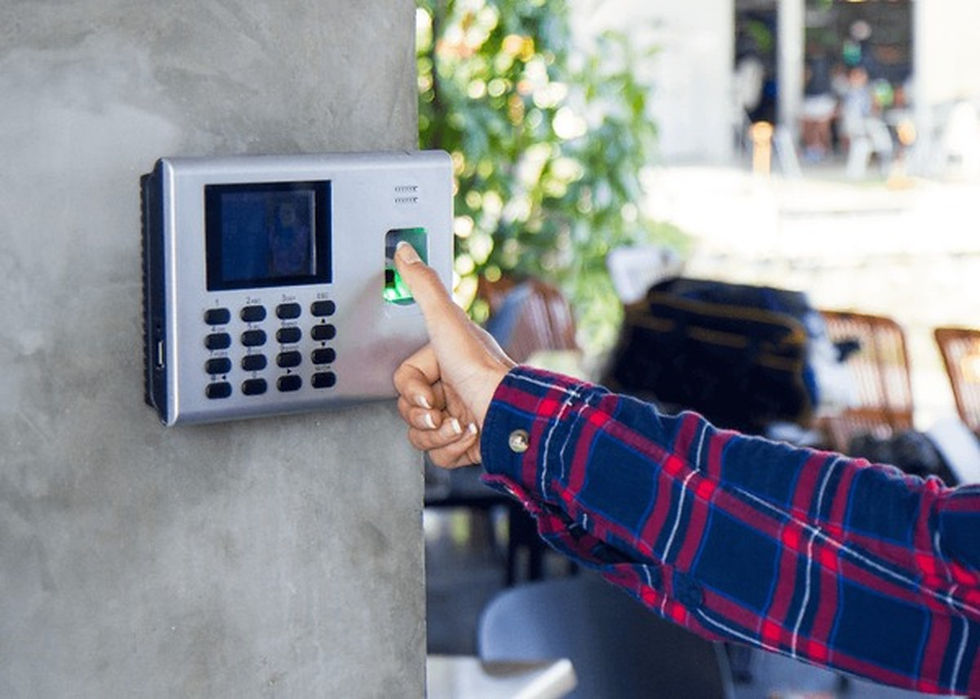
Here’s a quick checklist for integration depth:
● Bidirectional sync: hours logged update payroll and payroll changes reflect back in the time sheet.
● Support for UAE‑specific salary components such as housing allowance, transport allowance, and end‑of‑service gratuity.
● Automatic generation of overtime certificates that comply with Article 75 of the Labour Law.
● Real‑time validation against the employee master data in your ERP (e.g., Odoo, SAP Business One).
Implementation roadmap for multi‑site rollouts
Rolling out time tracking software across several Dubai free‑zone entities requires a clear plan. Skipping steps leads to data silos and user resistance. Below is a phased approach that works for most organisations.
Phase 1 – Pilot (2 weeks): Deploy the solution in a single department, such as the reception team at Dubai World Trade Centre... Collect feedback on biometric accuracy and Arabic UI clarity.
Phase 2 – Data migration (1 month): Export existing attendance logs from legacy systems, clean the data, and import into the new platform using CSV templates provided by the vendor.
Phase 3 – Training and change management (3 weeks): Conduct Arabic‑language workshops, create short video tutorials, and set up a help‑desk staffed by local support engineers.
Phase 4 – Full‑scale rollout (2 months): Activate the system across all sites, enable GPS geofencing for field staff, and start real‑time analytics dashboards.
Security, compliance, and data residency considerations...
Data protection is non‑negotiable in the UAE. Time tracking software must comply with ISO 27001, GDPR‑UAE, & the National Cybersecurity Strategy. Choose a provider that stores data in a UAE‑based data centre or offers a sovereign cloud option.
Key security features to verify:
● End‑to‑end encryption for biometric templates and GPS coordinates.
● Multi‑factor authentication (MFA) for admin portals, preferably with SMS OTPs that work on UAE mobile networks.
● Audit logs that record every data change, required for MOHRE inspections.
● Regular penetration testing by an accredited UAE cybersecurity firm.
Measuring ROI and productivity gains
Most Dubai firms struggle to quantify the benefit of time tracking software. A practical ROI calculator should factor in reduced payroll disputes, lower overtime costs, and time saved on manual data entry.
Based on a recent case study of a logistics company in Dubai Marina, the following metrics were observed after six months:
● Payroll errors fell from 7 % to 1 % (a 86 % reduction).
● Overtime spend decreased by 22 % thanks to real‑time alerts.
● Administrative staff saved an average of 4 hours per week per 100 employees.
Plug your own headcount and average wage into the calculator to estimate annual savings. Most organisations see a payback period of under 12 months.
Future trends: AI‑driven scheduling and predictive analytics
By 2026, AI is becoming a standard component of time tracking software in the UAE... Here's the thing: predictive algorithms analyse historic attendance patterns, weather forecasts, & project milestones to suggest optimal shift allocations.
For example, a construction firm in Al Maktoum can receive a weekly recommendation to move crews ahead of a predicted sandstorm, avoiding costly delays... The system also flags anomalous clock‑ins that deviate from normal patterns, helping prevent attendance fraud.
Conclusion
Choosing the right time tracking software is a strategic decision that can transform how Dubai companies manage labour, payroll, & compliance, and by focusing on biometric security, Arabic language support, seamless payroll integration, and robust data residency, you’ll set the foundation for measurable productivity gains. Start evaluating the vendors listed above, run a pilot, and use the ROI framework to prove the value to senior leadership. When you’re ready, a proven solution like Time tracking software Will keep your workforce efficient and your business competitive.


Comments