
Why Dental Implants Are the Best Choice for Tooth Replacement

Have you ever felt self-conscious about a gap in your smile? Do you find yourself avoiding certain foods because chewing feels uncomfortable? Perhaps you're wondering whether there's a tooth replacement option that actually feels natural and lasts for years to come?
If you're exploring ways to restore your smile, you've probably come across several options. Dentures, bridges, and dental implants all promise to fill those gaps. But here's the thing – not all tooth replacement solutions deliver the same results. Understanding your choices is the first step towards making a decision that'll benefit your oral health for decades.
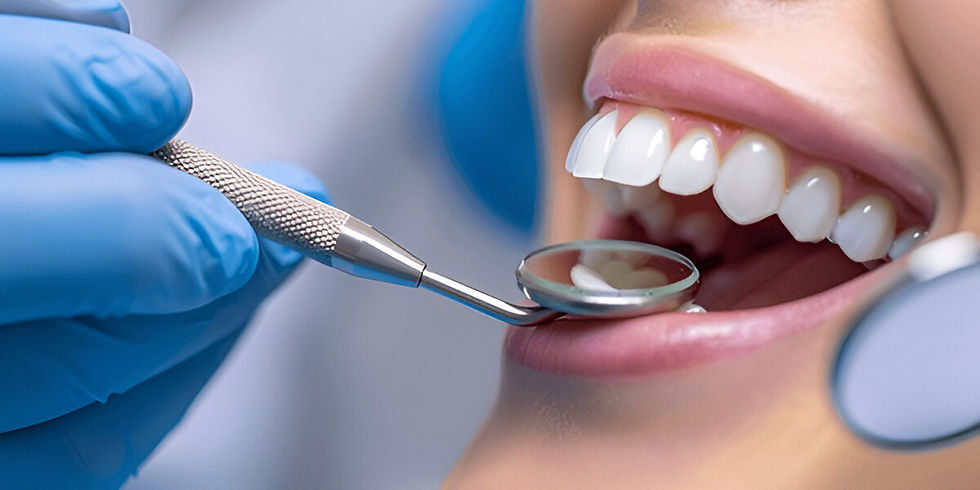
In this guide, we'll break down everything you need to know about dental implants, particularly for residents in Cecil Hills and the surrounding areas. You'll discover how implants work, why they often outperform other options, and what to expect throughout the entire process. By the end, you'll have a clear picture of whether dental implants are the right choice for your smile.
What Are Dental Implants and How Do They Work?
The Anatomy of a Dental Implant
Think of a dental implant as an artificial tooth root. It's a small titanium post that your dentist surgically places into your jawbone. Over time, this post fuses with your bone through a process called osseointegration. This creates an incredibly stable foundation for your replacement tooth.
The complete implant system consists of three parts. First, there's the titanium post itself. Next comes the abutment – a connector piece that sits on top of the implant. Finally, there's the crown, which is the visible part that looks and functions like a natural tooth. Together, these components create a tooth replacement that's remarkably like what nature intended.
The Dental Implant Procedure: Step by Step
The journey typically begins with a thorough consultation. Your dentist will examine your mouth, take X-rays, and discuss your goals. If you're a suitable candidate, here's what happens next:
- Initial placement: The titanium post is surgically inserted into your jawbone
- Healing period: You'll wait several months while the implant fuses with your bone
- Abutment fitting: Once healed, the connector piece is attached
- Crown placement: Your custom-made crown is secured to complete the process
The entire process usually spans three to six months, though this varies depending on individual circumstances.
Why Choose Dental Implants Over Other Tooth Replacement Options?
Dental Implants vs Dentures: Which Is Better?
Dentures have been around for centuries, but they come with notable drawbacks. They can slip, click, and make eating certain foods challenging. Many denture wearers report feeling self-conscious about their prosthetics moving during conversations.
Dental implants, on the other hand, stay firmly in place. There's no adhesive needed, no soaking overnight, and no risk of embarrassing slippage. Plus, implants stimulate your jawbone, preventing the bone loss that commonly occurs with dentures.
Dental Implants vs Bridges: A Comparison
Traditional bridges require grinding down healthy adjacent teeth to support the replacement. This permanently alters teeth that might otherwise remain untouched for years.
Implants don't affect surrounding teeth at all. They stand independently, preserving your natural tooth structure. What's more, while bridges typically last 10-15 years, implants can last a lifetime with proper care.
The Long-Term Benefits of Choosing Implants
Beyond aesthetics, implants offer functional advantages:
- Improved chewing ability and dietary freedom
- Clearer speech without slippage concerns
- Maintained facial structure and jawbone density
- No special cleaning routines required
- Natural feel that many patients forget isn't their original tooth
Are Dental Implants Worth the Cost?
Understanding Dental Implant Costs in Australia
Let's be upfront – dental implants represent a significant investment. In Australia, a single implant typically costs between $3,000 and $6,500, depending on complexity and location. This initial outlay can seem steep compared to dentures or bridges.
However, it's essential to consider the bigger picture. Factor in replacement costs, maintenance expenses, and potential complications with other options, and implants often prove more economical over time.
How Long Do Dental Implants Last?
Here's where implants truly shine. With proper care, the titanium post can last your entire lifetime. The crown may need replacing after 10-15 years due to normal wear, but that's a relatively minor expense compared to the initial procedure.
Compare this to dentures requiring replacement every 5-7 years and bridges lasting roughly a decade. Suddenly, that upfront investment looks quite different.
The True Value of Investing in Your Smile
Consider what you're really paying for – confidence, comfort, and convenience. Many patients report improved quality of life after getting implants. They eat what they want, smile without hesitation, and enjoy social situations without worrying about their teeth.

Who Is a Good Candidate for Dental Implants?
Can You Get Dental Implants If You Have Bone Loss?
Bone loss doesn't automatically rule you out. Modern dentistry offers solutions like bone grafting, where additional bone material is added to your jaw to create sufficient support. While this extends the treatment timeline, it makes implants possible for many who might have been declined years ago.
Your dentist will assess your bone density during the initial consultation. If grafting is needed, they'll explain the process and adjusted timeline.
Are Dental Implants Suitable for Older Adults?
Age alone isn't a determining factor. What matters is overall health, oral health status, and bone quality. Many patients in their 70s and 80s successfully receive dental implants.
The key considerations include:
- General health conditions and healing ability
- Medications that might affect bone fusion
- Commitment to oral hygiene
- Realistic expectations about the process
What to Expect During Your Dental Implant Journey
How Painful Is Getting a Dental Implant?
This is perhaps the most common concern, and understandably so. The good news? Most patients report less discomfort than expected. Local anaesthesia keeps you comfortable during the procedure, and sedation options are available for anxious patients.
Post-procedure discomfort is typically manageable with over-the-counter pain relief. Many patients return to work within a day or two, describing the sensation as similar to having a tooth extracted.
Recovery Time and Aftercare Tips
The initial healing takes about a week, during which you'll eat soft foods and avoid strenuous activity. Complete osseointegration takes three to six months, though you'll function normally during this period.
For successful healing, follow these guidelines:
- Maintain excellent oral hygiene
- Avoid smoking, which impairs healing
- Attend all follow-up appointments
- Report any unusual symptoms promptly
Common Concerns About Dental Implants Answered
Do Dental Implants Feel Like Natural Teeth?
Absolutely. Once healed, most patients can't distinguish their implant from natural teeth. You'll chew, speak, and smile with complete confidence. The only reminder might be during dental check-ups when your dentist examines the implant specifically.
Can Dental Implants Fail and What Are the Signs?
While implants have a success rate exceeding 95%, failures can occur. Warning signs include persistent pain, swelling, difficulty chewing, or the implant feeling loose. Early intervention is crucial, so contact your dentist immediately if you notice anything concerning.
Risk factors for failure include smoking, poor oral hygiene, certain medical conditions, and insufficient bone density.
How Do You Care for Dental Implants?
Caring for implants mirrors caring for natural teeth. Brush twice daily, floss regularly, and maintain routine dental check-ups. Your dentist might recommend specific cleaning tools for around the implant, but nothing complicated or time-consuming.
Finding the Right Dental Implant Provider in Cecil Hills
Choosing the right provider is just as important as choosing the right treatment. Look for a dentist with specific implant training and experience. Don't hesitate to ask about their qualifications, success rates, and how many procedures they've performed.
Consider scheduling consultations with multiple providers. This gives you the opportunity to compare approaches, ask questions, and find someone you feel comfortable with. After all, this is a significant investment in your health and confidence.
Local Cecil Hills providers should offer comprehensive consultations, clear pricing, and ongoing support throughout your implant journey.
Reclaim Your Confidence with Dental Implants
Throughout this guide, we've explored why dental implants stand out as the premier tooth replacement option. From their natural feel to their impressive longevity, implants offer benefits that other solutions simply can't match. They protect your jawbone, preserve surrounding teeth, and restore your smile to its full function.
Yes, the initial investment is higher than alternatives. But when you consider the long-term value – fewer replacements, better oral health, and improved quality of life the maths makes sense. For many people, implants aren't just a dental treatment; they're a life-changing decision.
If you're in Cecil Hills and considering dental implants, take that first step. Book a consultation, ask plenty of questions, and discover whether implants are right for you. Your future self – confidently biting into an apple without a second thought – will thank you for it.

Comments