
Working at Heights Course: Everything You Need to Know Before Enrolling

Ever wondered what it takes to work safely above ground level? Are you considering a career in construction, telecommunications, or maintenance but unsure about the training requirements? Perhaps you've been asked by your employer to complete height safety certification and don't know where to start?
Working at heights remains one of the leading causes of serious workplace injuries and fatalities across Australia. Falls from ladders, scaffolds, roofs, and elevated platforms can happen in the blink of an eye, often with devastating consequences. That's precisely why proper training isn't just recommended—it's absolutely essential for anyone who works above ground level.
In this comprehensive guide, we'll walk you through everything you need to know about working at heights courses. From understanding what the training involves to exploring costs, duration, and certification requirements, we've got you covered. Whether you're a complete beginner or looking to refresh your knowledge, you'll find all the information you need to make an informed decision about your height safety training journey.

What Is a Working at Heights Course?
Understanding the Basics of Height Safety Training
A working at heights course is a nationally recognised training programme designed to equip workers with the knowledge and practical skills needed to perform tasks safely at elevated levels. In Australia, this typically refers to any work where a person could fall from one level to another, potentially causing injury.
The training focuses on hazard identification, risk assessment, and the proper use of fall prevention equipment. You'll learn about different types of fall protection systems, how to inspect equipment, and what to do in emergency situations. It's hands-on, practical learning that could genuinely save your life.
Who Needs to Complete a Working at Heights Course?
If your job involves working on roofs, scaffolding, ladders, or any elevated platform, you'll likely need this certification. This includes tradies, construction workers, window cleaners, maintenance staff, and telecommunications technicians. Even office workers who occasionally access rooftops or elevated storage areas may require training.
What Does a Working at Heights Course Cover?
Core Modules and Learning Outcomes
The course covers several key areas, including workplace health and safety legislation, hazard identification, and risk control measures. You'll gain a solid understanding of the hierarchy of controls and learn how to select appropriate fall protection methods for different situations.
Understanding Fall Prevention and Fall Arrest Systems
You'll learn the crucial difference between fall prevention (stopping falls before they happen) and fall arrest systems (minimising injury when a fall occurs). This knowledge helps you choose the right equipment for each situation and understand why certain safety measures are non-negotiable.
How Long Does a Working at Heights Course Take?
Course Duration and Structure
Most working at heights courses can be completed in a single day, typically running for six to eight hours. The training combines classroom-based theory with practical assessments, ensuring you understand both the 'why' and the 'how' of height safety.
Online vs Face-to-Face Training Options
While some providers offer online theory components, the practical assessment must be completed in person. Blended learning options let you complete theoretical modules at your own pace before attending a shorter face-to-face session. This flexibility can be particularly handy for busy workers or those in remote locations.
How Much Does a Working at Heights Course Cost?
Typical Pricing in Australia
Course fees generally range from $150 to $350, depending on your location and the training provider. Metropolitan areas tend to offer more competitive pricing due to higher competition, while regional training may cost slightly more.
Factors That Affect Course Fees
Several factors influence pricing, including training location, group booking discounts, and whether equipment hire is included. Some providers bundle working at heights training with other safety courses, potentially offering better value.
Is Funding or Employer Sponsorship Available?
Many employers cover training costs as part of their workplace safety obligations. Additionally, some state-based funding programmes may subsidise training for eligible workers. It's worth checking with your employer or local training provider about available financial support.
What Qualification Do You Get from a Working at Heights Course?
Nationally Recognised Certification Explained
Upon successful completion, you'll receive the RIIWHS204E – Work Safely at Heights unit of competency. This is a nationally recognised qualification under the Australian Qualifications Framework, meaning it's valid across all states and territories.
How Long Is the Certification Valid For?
While there's no official expiry date on the qualification itself, Safe Work Australia recommends refresher training every two years. Many employers require current certification, so keeping your training up to date is essential for maintaining employment eligibility.
Do You Need a Licence to Work at Heights in Australia?
Unlike some high-risk work activities, working at heights doesn't require a separate licence. However, the statement of attainment (your qualification) serves as proof of competency. Employers must verify that workers hold current, relevant training before allowing them to perform elevated work.
What Are the Entry Requirements for a Working at Heights Course?
Age, Fitness, and Language Requirements
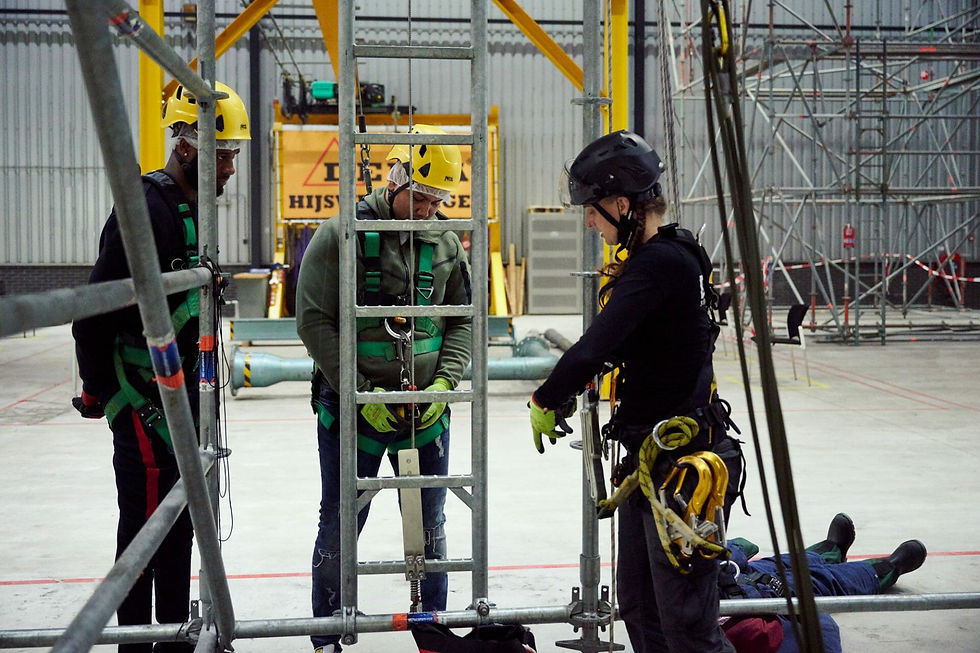
You must be at least 18 years old to enrol, though some providers accept 16-17 year olds with parental consent and a workplace requirement. A reasonable level of physical fitness is necessary, as practical assessments involve climbing and wearing safety equipment. You'll also need sufficient English language skills to understand safety instructions.
Do You Need Prior Experience?
No prior experience is required. The course is designed for beginners and experienced workers alike. Whether you're just starting your career or transitioning to a new industry, you can complete the training without previous height work experience.
How to Choose the Right Working at Heights Training Provider
What to Look for in a Registered Training Organisation
Always choose a Registered Training Organisation (RTO) with current accreditation. Look for providers with experienced trainers, quality facilities, and positive reviews from past students. A reputable RTO will use well-maintained equipment and provide a safe learning environment.
Red Flags to Avoid When Selecting a Course
Be cautious of providers offering unusually cheap courses or guaranteeing certification without proper assessment. Avoid any organisation that can't provide their RTO number or seems reluctant to answer questions about their training methods. Quality should never be compromised when it comes to safety training.
What Happens If You Work at Heights Without Proper Training?
Working at heights without appropriate training carries serious consequences. Employers face significant fines for failing to ensure workers are properly trained. More importantly, untrained workers put themselves and others at risk of serious injury or death. Insurance claims may be invalidated if an incident occurs without proper certification in place.
Taking the Next Step Towards Height Safety Certification
Working at heights training is more than just a box-ticking exercise—it's a vital investment in your safety and career. Throughout this guide, we've explored what these courses involve, from the practical skills you'll develop to the nationally recognised certification you'll receive upon completion.
The key takeaway? Don't cut corners when it comes to height safety training. Choose a reputable RTO, invest the time in proper learning, and keep your certification current through regular refresher training. Your life and livelihood depend on making smart choices about your safety education.
Ready to take the next step? Start researching accredited training providers in your area today. Whether you're launching a new career or upskilling for your current role, completing a working at heights course opens doors to opportunities across countless industries. Stay safe up there, and remember—proper training today prevents tragedy tomorrow.


Comments