
Your Complete Guide to Tackling Blocked Drains in Annandale
- Nivi Watson

- Apr 17
- 6 min read
Have you noticed water pooling around your feet during a shower? Is there a strange gurgling noise coming from your kitchen sink? Perhaps there's an unpleasant smell wafting through your bathroom that you just can't seem to pinpoint? If any of these scenarios sound familiar, you might be dealing with a blocked drain – and you're certainly not alone.
Blocked drains are one of the most common plumbing issues faced by homeowners across Annandale and the wider Sydney area. What starts as a minor inconvenience can quickly escalate into a costly nightmare if left unchecked. The key to avoiding expensive repairs and potential property damage lies in early detection. By spotting the warning signs and understanding how blockages form, you can take action before a small problem turns into a major headache.
In this guide, we'll walk you through everything you need to know about detecting drain blockages in your Annandale home. From recognising the telltale signs of a blocked drain to understanding the professional methods plumbers use to pinpoint problems, you'll gain valuable insights that could save you both time and money. We'll also explore prevention strategies and help you understand when it's time to call in the experts. Let's get stuck into it!

Common Signs You Have a Blocked Drain
Slow Draining Water and Gurgling Sounds
One of the earliest and most obvious indicators of a drain blockage is water that takes its sweet time disappearing down the plughole. Whether it's your bathroom sink, shower, or kitchen basin, slow drainage suggests something is obstructing the flow. You might also notice gurgling sounds coming from your drains – this happens when air gets trapped in the pipes and struggles to escape past a partial blockage.
These sounds often become more noticeable after you've used a lot of water, such as after running the washing machine or having a long shower. Don't ignore these early warning signs, as they typically indicate a blockage is forming and will only worsen over time.
Unpleasant Odours Coming From Your Drains
Nobody wants their home to smell like a sewer, yet that's exactly what can happen when become blocked drains Annandale. Food particles, grease, hair, and other debris can accumulate in your pipes, creating a breeding ground for bacteria. As this material decomposes, it releases foul odours that travel back up through your drains.
If you've noticed a persistent nasty smell that cleaning products just won't shift, the culprit is likely lurking somewhere in your drainage system. These odours tend to be strongest in kitchens and bathrooms, where organic matter is most commonly flushed away.
Water Pooling in Unexpected Areas
Finding puddles of water in your yard or around floor blocked drains inside your home is a red flag that shouldn't be ignored. This pooling occurs when water can't flow through blocked pipes and instead backs up or escapes through any available outlet. In severe cases, you might even notice sewage backing up into your toilets or sinks – a truly unpleasant experience that requires immediate attention.
What Causes Blocked Drains in Annandale?
Tree Root Intrusion in Older Sydney Suburbs
Annandale is known for its beautiful tree-lined streets and established gardens. Unfortunately, those mature trees come with extensive root systems that are constantly seeking moisture. Older clay and terracotta pipes, common in heritage suburbs like Annandale, are particularly vulnerable to root intrusion.
Tiny cracks or joints in ageing pipes release moisture that attracts tree roots like a magnet. Once roots find their way inside, they grow rapidly, creating significant blockages and potentially cracking pipes further. This is one of the most common causes of drain problems in older Sydney suburbs.
Grease, Fat, and Food Waste Build-Up
It's tempting to wash cooking oil and food scraps down the kitchen sink, but this habit is a recipe for disaster. Grease and fat might flow easily when warm, but they solidify as they cool inside your pipes. Over time, these fatty deposits accumulate and combine with other debris to form stubborn blockages that are difficult to shift.
Foreign Objects and Sanitary Products
Toilets and drains are designed to handle specific waste – and nothing else. Items like wet wipes (even those labelled "flushable"), sanitary products, cotton buds, and children's toys frequently cause blockages. These objects don't break down like toilet paper and can quickly create serious obstructions.
Ageing Pipes and Infrastructure Issues
Many Annandale properties feature original plumbing systems that are decades old. Pipes deteriorate over time, becoming corroded, cracked, or collapsed. These structural issues restrict water flow and create points where debris easily accumulates, leading to recurring blockages.
How Do Plumbers Detect Blocked Drains?
CCTV Drain Camera Inspections
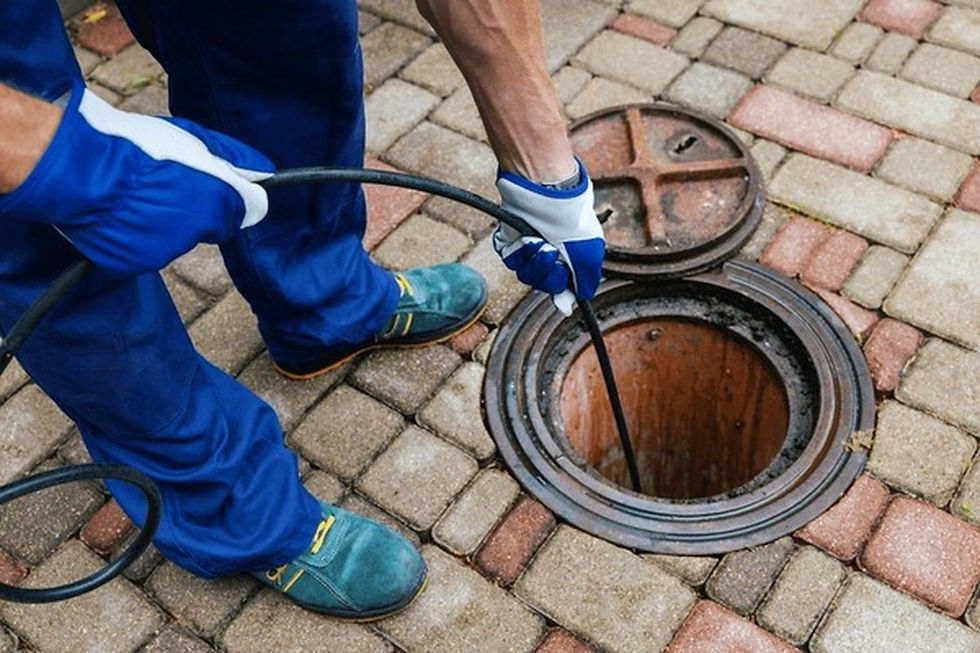
Modern plumbing has come a long way, and CCTV drain cameras represent one of the most effective diagnostic tools available. A small, waterproof camera attached to a flexible cable is fed into your pipes, transmitting real-time footage to a monitor above ground. This allows plumbers to see exactly what's causing the blockage – whether it's tree roots, built-up debris, or structural damage.
This method is non-invasive and incredibly accurate, eliminating guesswork and enabling targeted repairs. It's particularly valuable for identifying problems in hard-to-reach areas without digging up your yard.
Drain Dye Testing
Drain dye testing involves introducing coloured, non-toxic dye into your plumbing system to trace water flow and identify leaks or blockages. By observing where the dye emerges or pools, plumbers can pinpoint problem areas quickly and efficiently. This straightforward technique is especially useful for detecting cross-connections or identifying which drain is causing issues.
Acoustic Listening Devices
Specialised acoustic equipment allows plumbers to listen for the sounds created by water escaping through cracks or blockages. These sensitive devices can detect subtle changes in water flow that might otherwise go unnoticed. Acoustic testing is particularly helpful for locating leaks in concealed pipes without invasive exploration.
Hydrostatic Pressure Testing
This method involves sealing sections of your drainage system and filling them with water to test for leaks. If the water level drops, it indicates a breach somewhere in that section. Hydrostatic pressure testing is thorough and helps identify problems that other methods might miss.
Can You Detect a Blocked Drain Yourself?
DIY Methods for Identifying Blockages
Before calling a professional, there are several things you can try at home. Start by observing which drains are affected – if multiple fixtures are draining slowly, the blockage is likely in your main sewer line. Check external drain covers for debris or overflow, and try using a plunger on individual drains to dislodge minor blockages.
You can also pour boiling water down kitchen sinks to help dissolve grease build-up, or use a mixture of baking soda and vinegar to break down organic matter. A simple drain snake or wire coat hanger can sometimes reach and clear blockages near the drain opening.
When to Call a Professional Plumber
While DIY methods work for minor issues, some situations demand professional expertise. If you're experiencing sewage backing up into your home, multiple blocked drains simultaneously, or recurring blockages that keep returning, it's time to call in the experts. Professional plumbers have the tools and knowledge to diagnose and resolve complex drainage problems safely.
How Long Does It Take to Clear a Blocked Drain?
The time required to clear a blocked drain depends on the severity and location of the blockage. Simple blockages in accessible areas can often be cleared within an hour, while more complex issues involving tree roots or collapsed pipes may take several hours or require follow-up visits. Your plumber should be able to give you a realistic timeframe once they've assessed the situation.
Preventing Future Drain Blockages in Your Annandale Property
Regular Drain Maintenance Tips
Prevention is always better than cure when it comes to blocked drains. Schedule annual CCTV inspections to catch problems early, and consider regular professional cleaning if you live in an older property. Installing drain guards in showers and sinks helps catch hair and debris before they enter your pipes.
What Not to Put Down Your Drains
- Cooking oils, fats, and grease
- Food scraps (even small amounts)
- Wet wipes and sanitary products
- Cotton buds and dental floss
- Coffee grounds and tea leaves
- Paint or harsh chemicals
Why Choose Local Blocked Drain Specialists in Annandale?
Local plumbers understand the unique challenges facing Annandale properties. They're familiar with the area's ageing infrastructure, common tree root problems, and the specific issues that affect heritage homes. Plus, choosing local means faster response times and supporting businesses within your community.
Take Action Before a Small Blockage Becomes a Big Problem
Dealing with blocked drains is never pleasant, but early detection makes all the difference. By recognising the warning signs – slow drainage, unpleasant odours, and unusual sounds – you can address issues before they escalate into emergencies. Understanding what causes blockages helps you take preventative measures that protect your property long-term.
Whether you choose to investigate minor issues yourself or call in professional help straight away, the important thing is taking action promptly. Modern detection methods like CCTV inspections make it easier than ever to identify exactly what's happening inside your pipes, enabling targeted and cost-effective solutions.
Don't wait until you're ankle-deep in backed-up water to address your drainage concerns. If you've noticed any warning signs in your Annandale home, reach out to a local blocked drain specialist today. Your pipes – and your peace of mind – will thank you for it.


Comments